Trails, seasons, rules & essential gear for exploring Denmark on foot.
Hiking in Denmark isn’t known for its mountains, but it’s one of the easiest countries in Europe to get around thanks to coastal routes, national parks, shelter networks, and well-marked trails close to cities. Whether you’re planning a weekend loop near Aarhus or a multi-day trek along the North Sea coast, the country is built for accessible outdoor travel, with more variety than most people expect.
This guide covers where to hike, how the trail system works, what to pack, and how to prepare for Denmark’s windy, coastal climate.
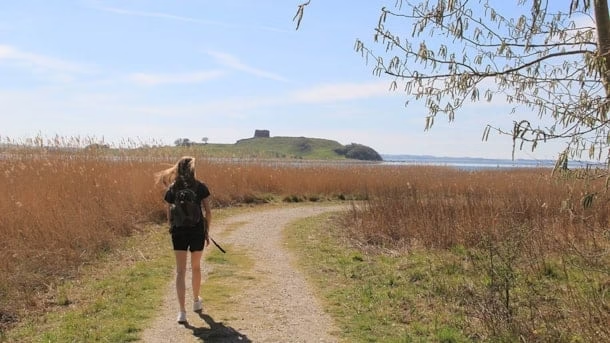
Why Hike in Denmark
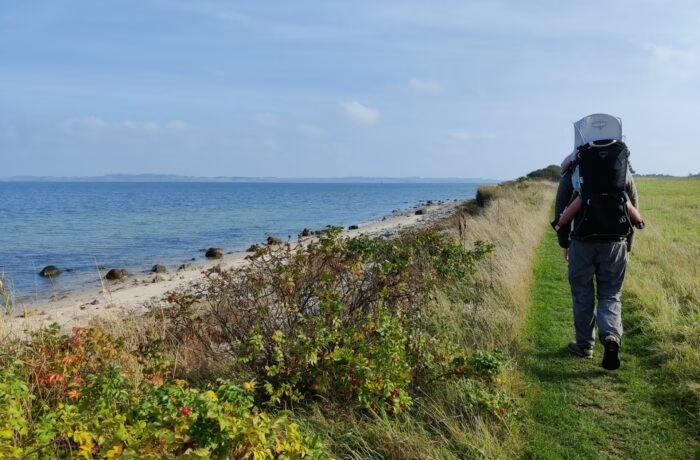
Most hiking here is about landscape diversity and coastal exposure, not elevation gain. You get forests, beaches, cliffs, heathland, farmland, and dunes in the same trip and usually without long drives or logistics.
- Easy access from towns, trains, and cycle routes
- Scenic coastal terrain rather than high-altitude climbs
- Beginner-friendly trails with shelter networks (“shelters” and primitive campsites)
- Low risk environment with no bears, altitude or extreme heat
Most trails mix beaches, forest paths, dunes, moorlands, and farmland. Expect rolling elevation rather than steep climbs.
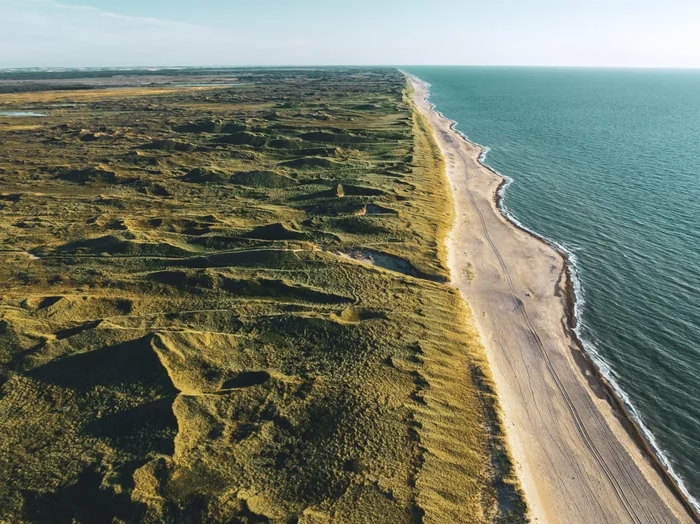
The Landscape: What to Expect
Most hikes fall into one of these terrain types:
| Terrain Type | Where Found | What It Means for Hikers |
|---|---|---|
| Coastal dunes & beaches | Thy, Skagen, West Coast | Wind exposure, sand, no shade |
| Forests & lakes | Rold Skov, Silkeborg, Zealand | Softer trails, roots, mud in spring |
| Chalk cliffs | Møns Klint, Stevns Klint | Scenic views, stairs, ridge trails |
| Heath & moorland | Jutland interior, Thy | Open exposure, low elevation |
| Rolling hills | Mols Bjerge, Rold Skov | Short climbs, mixed terrain |
If you’re hiking from Aarhus, Mols Bjerge is the most iconic nearby destination.
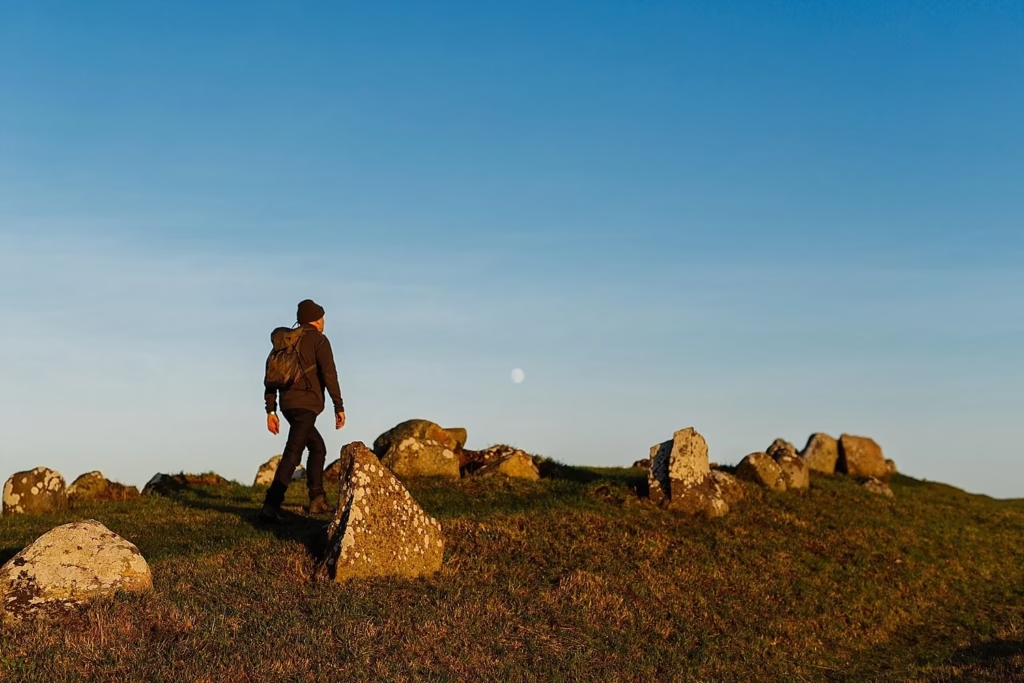
Top Regions to Hike
Here are the most popular hiking areas across the country:
| Region | What It’s Known For |
|---|---|
| Mols Bjerge National Park (Jutland) | hills, coastal views, varied loops close to Aarhus |
| Thy National Park (Northwest Jutland) | dunes, heathland, rugged North Sea coastline |
| Rold Skov / Rebild Bakker | large forests, springs, historic trails |
| Møns Klint (Zealand) | white chalk cliffs, forested ridge hikes |
| Stevns Klint | UNESCO cliffs + long coastal routes |
| Bornholm | granite coastlines, island trails, viewpoints |
| Skagen & Grenen | dunes, migrating sands, unique light |
Trail Types & How Routes Are Marked
Denmark uses a mix of national, local, and municipality-managed trails rather than one unified system.
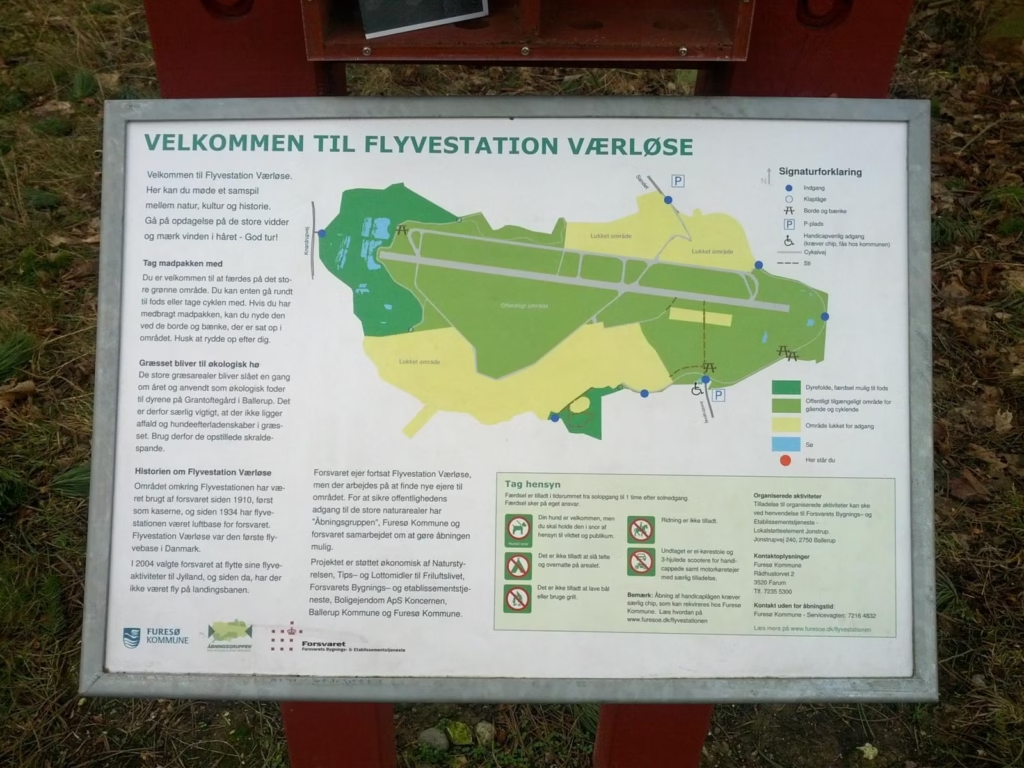
Types of routes:
- Long-distance routes
Hærvejen (Ancient Road), Øhavsstien, Gendarmstien - Local circular loops in national parks & forest areas
- Shelter-to-shelter routes (designed for multi-day hikes)
- Beach/dune walks (often unmarked but obvious)
Navigation Tips
- Color-coded markers vary between municipalities
- Coastal trails can change due to erosion + storms
- Shelters are marked on naturstyrelsen maps, not always on Google Maps
Recommended apps: Komoot, Mapy.cz, OpenStreetMap variations, Outdooractive.
Rules: Access, Camping & Fires
Denmark has good outdoor access, but rules differ on public vs private land.
Where You Can Hike
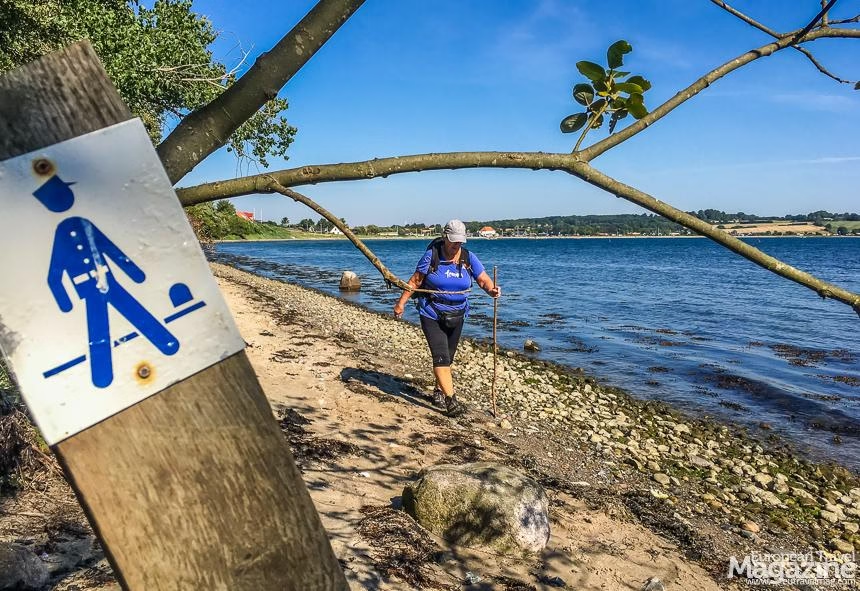
- State forests: walk off-trail allowed
- Private forests: stick to marked paths
- Beaches: coastal access is generally allowed
- Farmland: stay off fields unless path is marked
Camping Rules
- Wild camping is mostly not permitted
- Instead, Denmark offers:
- primitive nature camps (“friluftsområder”)
- shelter sites
- small designated wild-camping zones
Fires
Only in designated fire rings or shelter sites. Coastal winds make open fires risky even when legal while hiking in Denmark.
Dogs: welcome but often must be leashed.
Seasons & Conditions
Denmark’s hiking challenge isn’t altitude, it’s weather variation.
| Season | What to Expect | Tips |
|---|---|---|
| Spring (Mar–May) | Wet trails, wind, unstable temps | Waterproof footwear + windproof shell |
| Summer (Jun–Aug) | Mild temps, long days, busy coasts | Sun protection + light layers |
| Autumn (Sep–Nov) | Storms, rain, mud | Waterproof jacket + pack cover |
| Winter (Dec–Feb) | Cold, short days, coastal wind | Insulation + waterproof boots |
Wind + sudden rain are the main factors—more on that in your weather-focused article next.
Essential Gear for Danish Trails
Since trails are wet, rooted, and windy, the best setup is “light but weather-ready.”
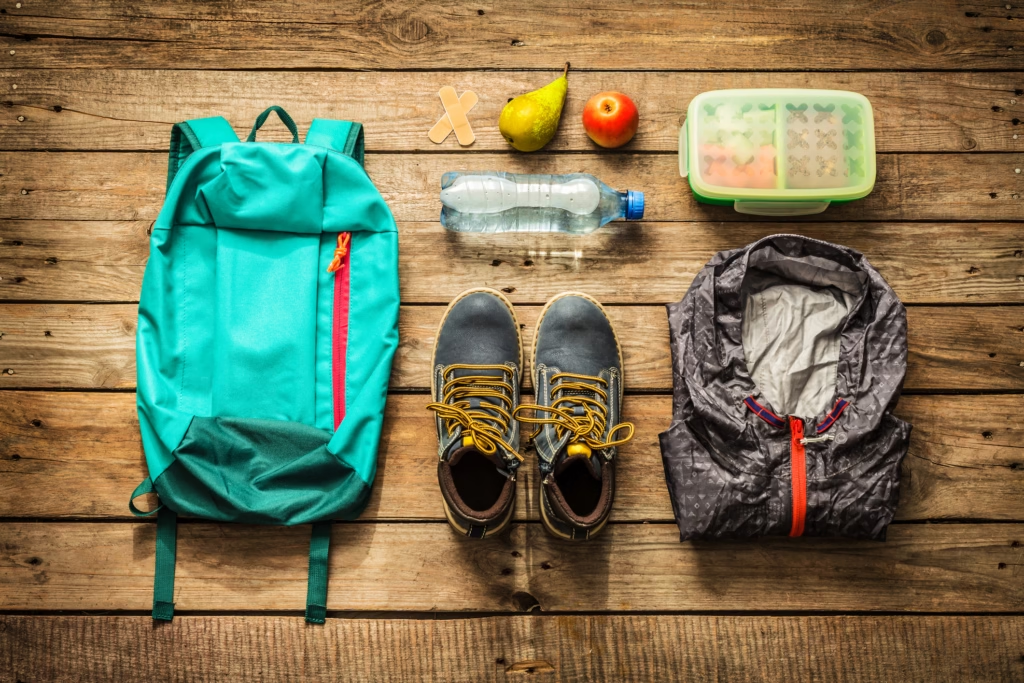
New to hiking and still building your kit? This hiking guide for beginners breaks down how to choose each of these essentials before your first trip.
Core Suggestions
- Waterproof shell (10,000mm+ recommended)
- Quick-dry synthetic layers
- Mid-/high-cut hiking boots for mud & roots
- Pack liner or dry bag
- Windproof mid-layer (softshell or hardshell)
- Low-profile tent if camping on coast
Avoid:
- Mesh trail runners in spring mud (unless you’re comfy being soaked)
- Cotton sweats (stay wet)
- Tall ultralight tents (catch wind)

Transportation & Navigation
Hiking in Denmark is easily combined with public transit.
- DSB + Rejseplanen cover most trailheads
- Many trails intersect cycling routes
- You rarely need a car unless going remote coastal
Apps/maps to use:
- Komoot
- OpenStreetMap-based maps
- Naturstyrelsen trail maps
Paper maps aren’t necessary unless you’re doing long coastal stretches.
Multi-Day Hiking in Denmark
Unlike Sweden or Norway, multi-day routes here rely on shelters rather than wild camping.
Tips:
- Plan days between designated sites
- Bring rain-safe food storage (wet + sandy)
- Carry backup navigation—signage can vanish in dune areas
- Pick low-profile tents for coastal wind
Best longer routes:
- The Ancient Road (Hærvejen) — inland historical route
- Thy Coast → National Park chain
- Archipelago Trail (Øhavsstien) — island-hopping feel
Beginner Itinerary Ideas
A couple plug-and-play suggestions:
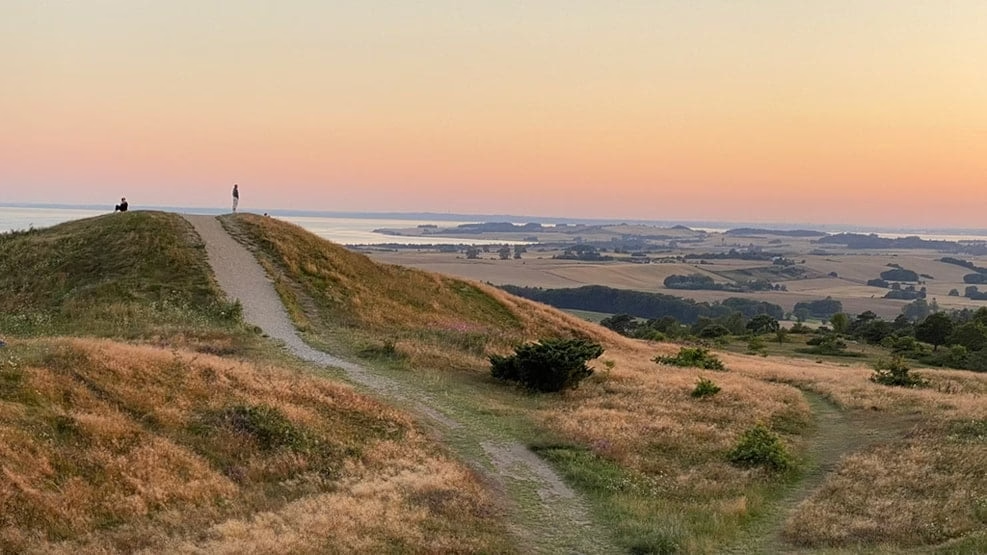
✔ Mols Bjerge Day Loop (near Aarhus)
Forest + coast, easy terrain, 3–12 km options.
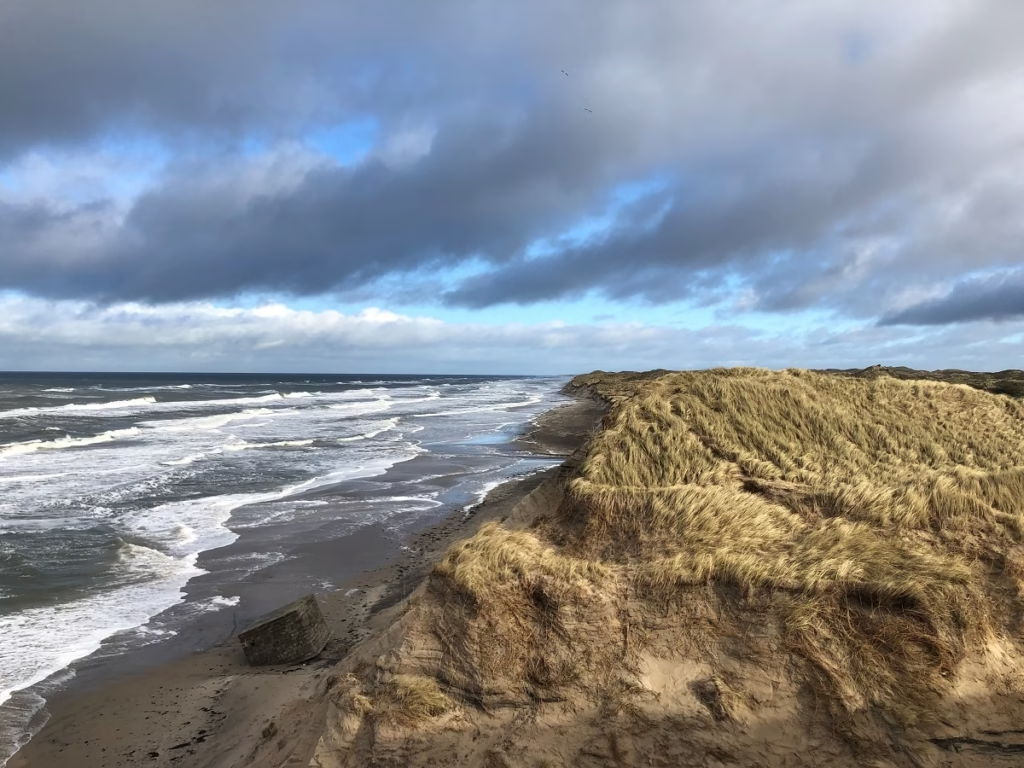
✔ Thy Coastal Route (2+ days)
Dunes + beaches, shelter camping, wind exposure.
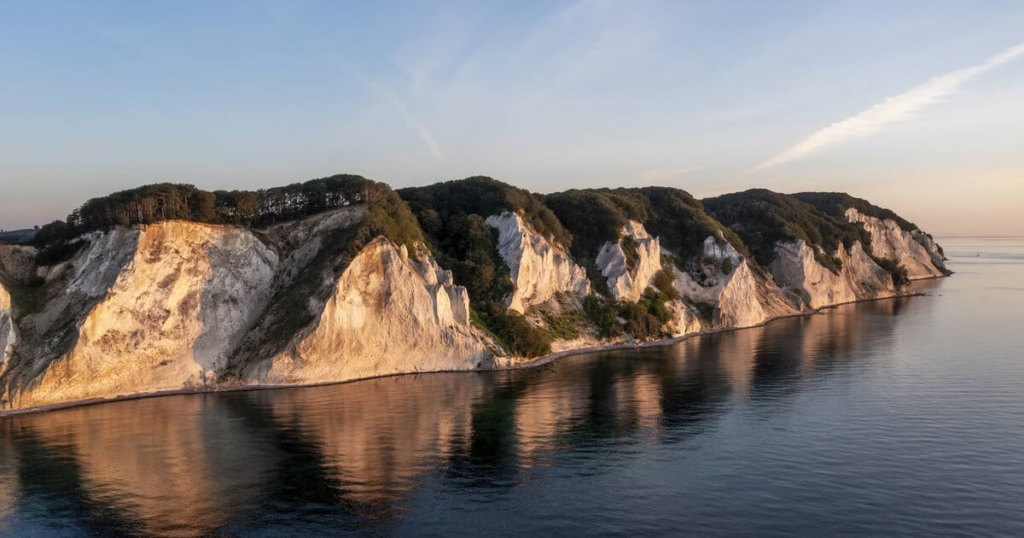
✔ Møns Klint Ridge + Beach (full day)
Stairs, cliffs, woods—surprising elevation.
That’s all! Are you ready to hike in denmark?
Denmark is one of the easiest places in Europe to start hiking thanks to accessible trails, low-risk terrain, and coastal scenery. Once you understand the weather patterns and regional differences, it becomes an ideal country for weekend trips, shelter-to-shelter routes, and lightweight gear setups.
Is Denmark good for hiking?
Yes! Especially if you prefer scenic coastal or forest routes over high-altitude climbing.
Do you need special gear for Hiking in Denmark?
You need wind and rain protection more than technical alpine equipment.
Can I wild camp?
Not broadly, but shelters and primitive sites make overnight trips easy.
Do I need a car?
No. Most trailheads connect to trains or buses, especially in Jutland and along major coasts.