Coastal routes, forests, chalk cliffs and dune landscapes worth exploring.
Denmark is usually not the first country people think of for hiking, but the variety is better than most expect. The coastline is long, forests are dense and the terrain shifts from dunes and heathland to chalk cliffs and island trails. Because everything is close together, you can plan weekend trips without long transfers or mountain-level logistics. This guide highlights the most rewarding regions to explore, especially if you are starting in Jutland or visiting for short trips.
What Makes Denmark Unique
Most trails follow coastlines, forest paths or farmed landscapes. There are no high peaks, but elevation adds up on ridge walks like Møns Klint or the rolling hills of Mols Bjerge. Wildlife is minimal and risk is low, so you can focus more on distance and scenery than survival. The real challenge when hiking in denmark is wind and weather rather than terrain.
Hikes fall into three broad categories:
| Type of Hike | Examples | Why Go |
|---|---|---|
| Coastal and dune routes | Thy, Skagen, West Coast | Long exposed views, dramatic weather |
| Forest and lake regions | Rold Skov, Silkeborg | Soft trails, shade, easier conditions |
| Cliff and island trails | Møns Klint, Bornholm, Stevns Klint | Scenic viewpoints, varied elevation |
With that in mind, here are the best regions worth exploring.
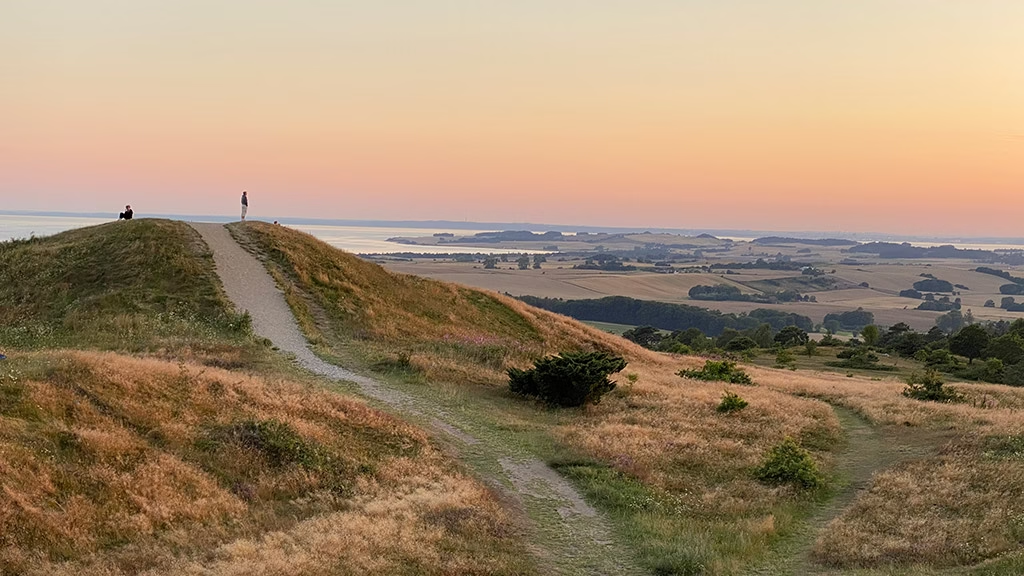
Mols Bjerge National Park (East Jutland)
Mols Bjerge is one of the most accessible hiking areas if you are near Aarhus. It mixes forests, open hills and coastal viewpoints in loops that work well for both beginners and more experienced hikers. The Trehøje area offers some of the best panoramic views in the region, while other trails move through heathland and small lakes.
Good for: weekend trips, day hikes, mixed terrain
What to prepare for: exposed hills on windy days
If you want variety without long travel, this is the easiest pick.
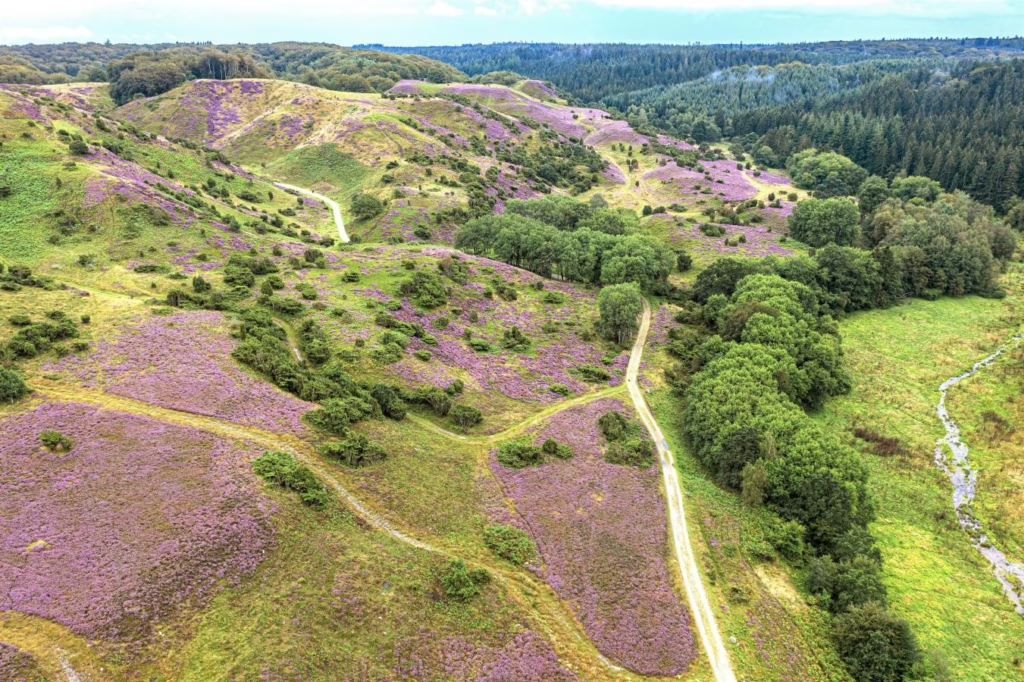
Rold Skov and Rebild Bakker (North Jutland)
Rold Skov is one of the largest forests in Denmark and has a mix of steep hills, springs and old-growth woodland. Trails feel different from coastal areas because the terrain is enclosed and shaded. There are several shelters, making it a good place for overnight trips that do not require camping far from civilization.
Good for: forest lovers, multi-day loops, sheltered hiking
What to prepare for: mud in wetter months, uneven roots
You can combine it with visits to small nearby lakes and springs for more variety.
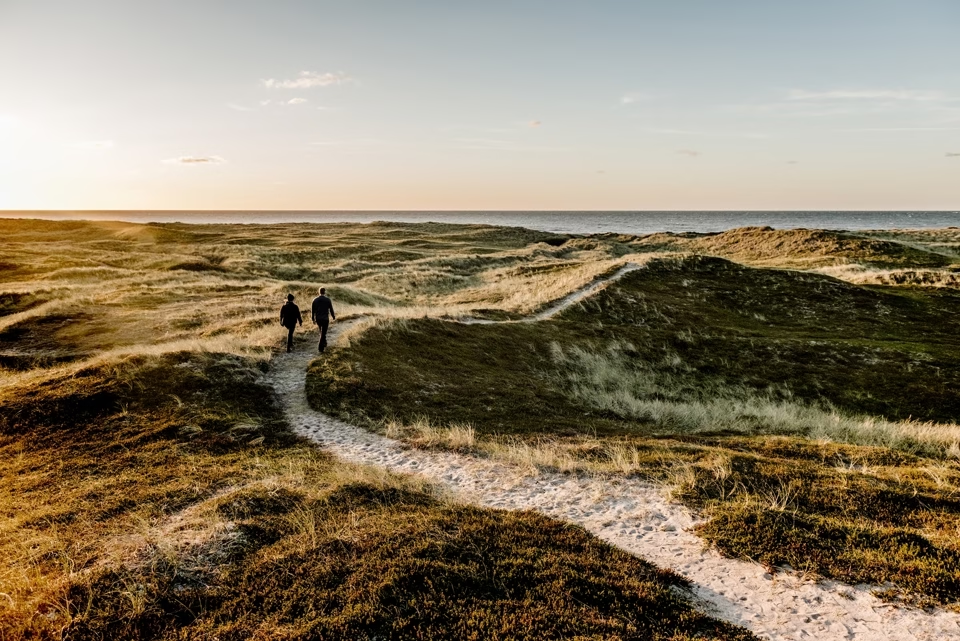
Thy National Park (Northwest Jutland)
Thy is the most rugged region in Denmark. The landscape is shaped by dunes, coastal wind, open heathland and long beach stretches. The area feels remote even though it is not technically far from towns. Most visitors come for multi-day hikes along the coast or to stay in shelters tied to a longer route.
Good for: adventure feel, long coastal distances, sunsets
What to prepare for: strong wind, sand, limited protection from weather
If you want Denmark to feel wild, this is the place.
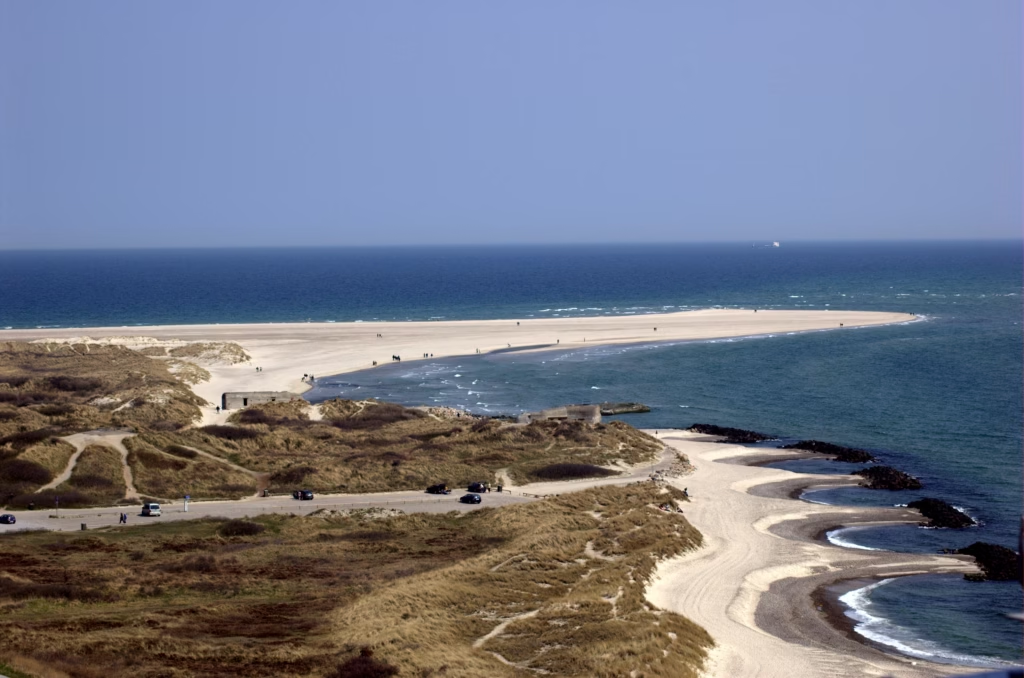
Skagen and Grenen (Northern Tip of Jutland)
The northern tip of Denmark has shifting sand landscapes, migrating dunes and open beaches where the two seas meet. The scenery changes constantly because sand is always moving. Walks here are more about scenery and atmosphere than covering long distances.
Good for: short hikes, photography, beach walking
What to prepare for: soft sand, wind, exposed walking
Combine with nearby dune reserves and coastal loops for a full weekend.
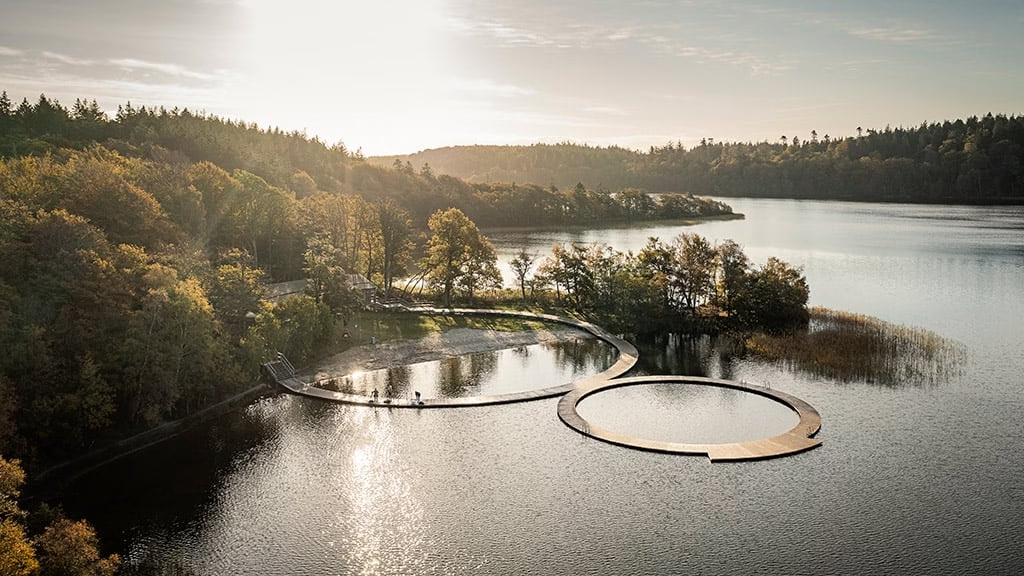
Silkeborg Lakes Region
This central Jutland area offers forest paths, lake views and rolling terrain. Trails are not as dramatic as coastal cliffs, but they are ideal if you want easier elevation and soft ground. Many routes link to canoe and cycling paths, so it is a good area for mixed-activity trips.
Good for: relaxed trips, family hikes, varied nature
What to prepare for: roots and wet forest soil
This is a strong option if you want a more peaceful atmosphere.
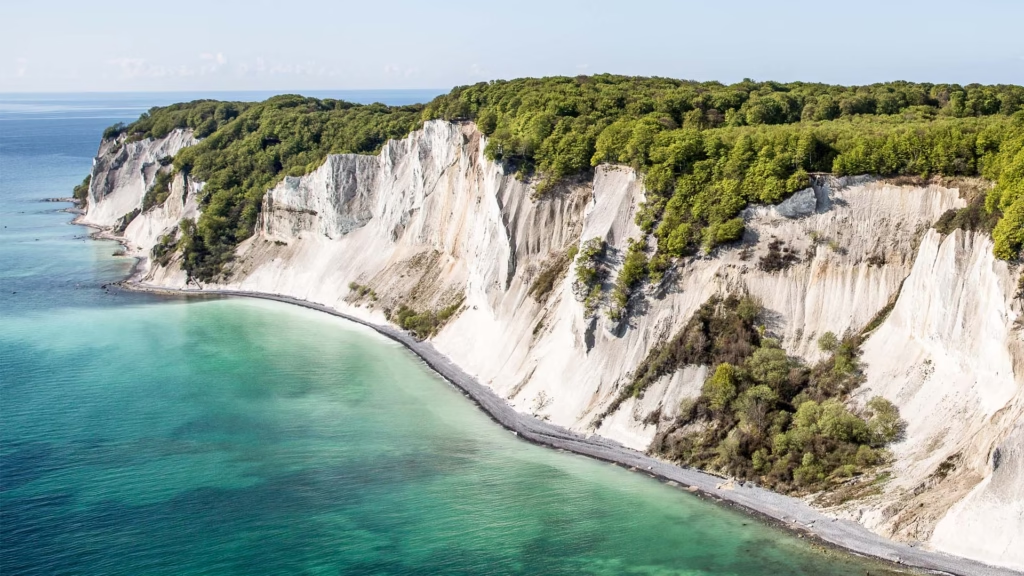
Møns Klint (Zealand)
Møns Klint is one of Denmark’s most iconic landscapes, with white chalk cliffs rising above turquoise water. Trails run on the ridge above the cliffs and also descend to the beach. Elevation is higher here than almost anywhere else in the country, which surprises people who think Denmark is completely flat.
Good for: views, photography, longer ridge walks
What to prepare for: steep stairs, exposed sections
Come early or late in the day to avoid crowds in summer.
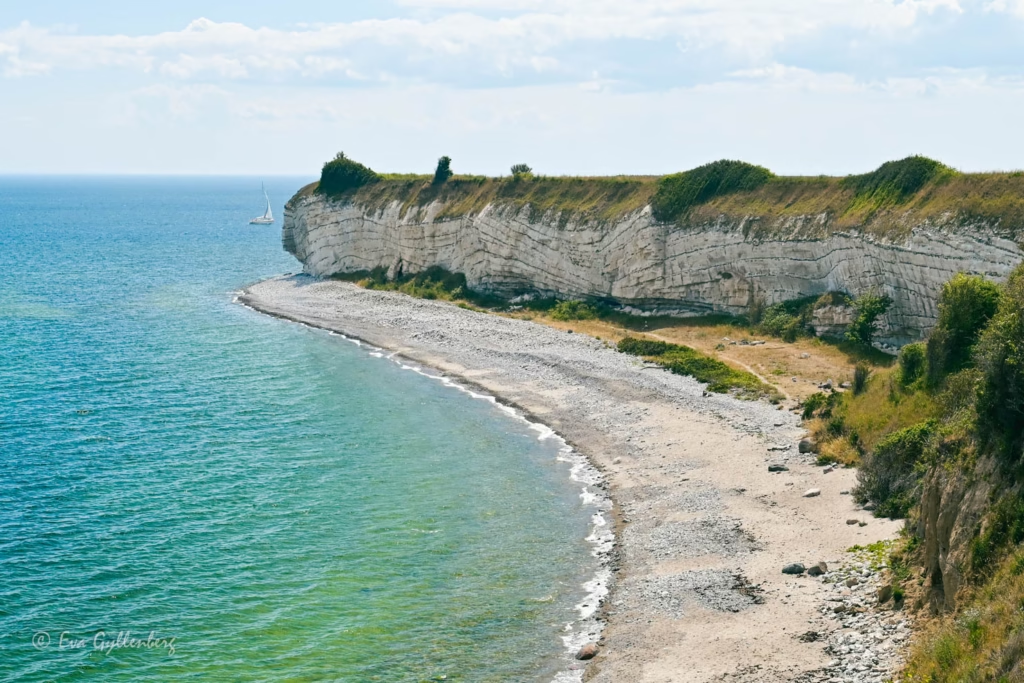
Stevns Klint (Zealand)
Stevns Klint offers a longer and more continuous coastal route than Møns Klint. The terrain is less steep but still dramatic, with chalk cliffs and open sea views. It is ideal for day-long point-to-point hikes or bike-and-hike combinations.
Good for: coastal endurance hikes, UNESCO history sites
What to prepare for: wind and long unshaded stretches
If you want a full coastline day without steep climbs, this is a great option.
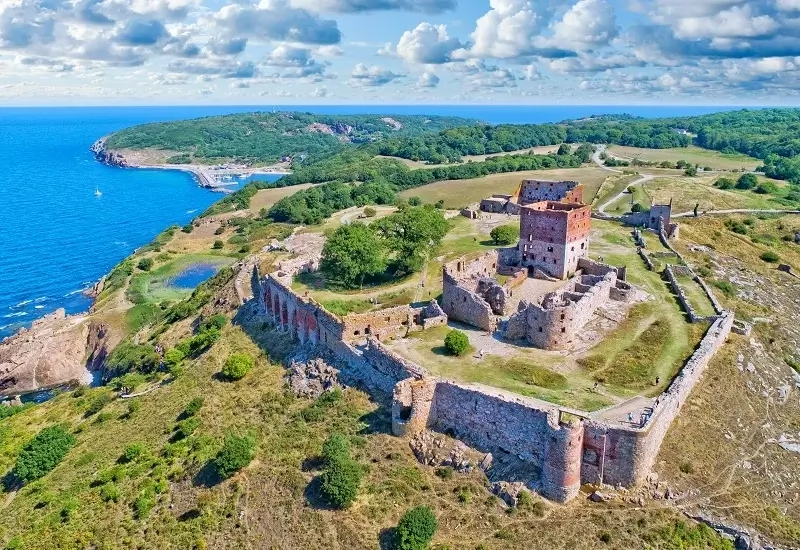
Bornholm (Island Destination)
Bornholm combines rocky coastline, pine forests and small harbors. The island feels different from mainland Denmark because it has more exposed rock formations and varied elevations. The coastal paths can take multiple days to complete if you want a full loop.
Good for: island adventures, multi-day loops, varied terrain
What to prepare for: ferry logistics, weather changes around the coast
Bring layers even in summer because the wind changes fast.
How to Choose Where to Go
If you want help choosing a destination based on your goals, here is a simple guide:
| Goal | Best Region |
|---|---|
| Closest to Aarhus | Mols Bjerge |
| Most dramatic views | Møns Klint |
| Longest coastal hikes | Thy National Park |
| Relaxed forest routes | Silkeborg or Rold Skov |
| Short hikes with scenery | Skagen |
| Multi-day island loop | Bornholm |
For first-time visitors starting from Jutland, a weekend in Mols Bjerge or a longer trip to Thy gives a good feel for both inland and coastal landscapes.
Final Thoughts
Denmark has a very different hiking identity from alpine countries. Trails are approachable, distances are flexible and scenery comes from shifting coastlines, dunes, forests and cliffs rather than high peaks. If you plan with wind and weather in mind, you can hike year-round and explore a surprising range of landscapes without leaving the country.