Understanding the RV Market
The recreational vehicle (RV) market offers a diverse array of options designed to cater to different preferences and budgets. Potential buyers will encounter two primary categories: motorhomes and towable RVs, each encompassing a variety of models with distinct features.
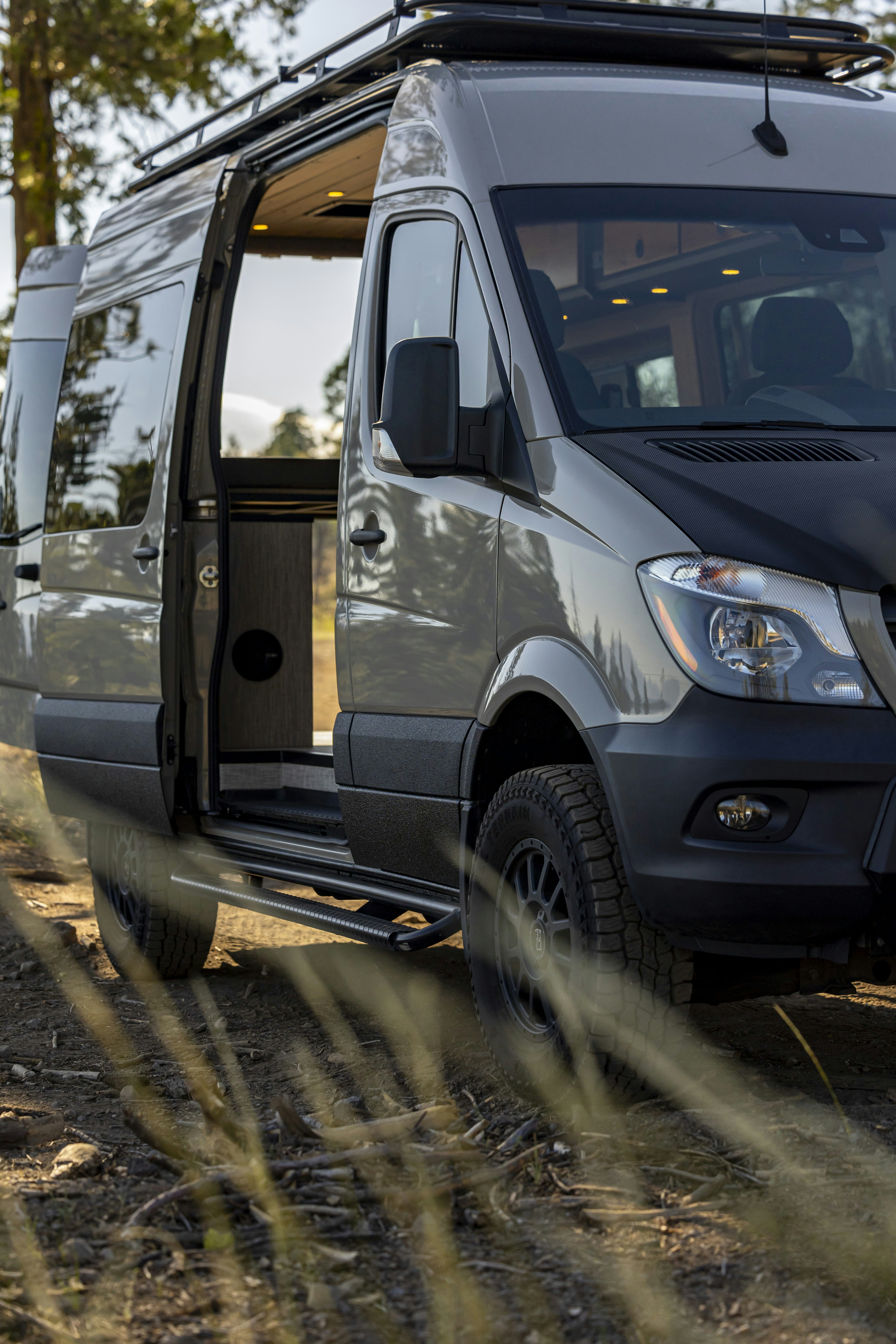
Motorhomes are self-contained vehicles, which can be classified into three main types: Class A, Class B, and Class C. Class A motorhomes represent the largest segment, typically spanning up to 45 feet. They are equipped with luxuries that cater to full-timers, featuring amenities like slide-outs, spacious living areas, and high-tech capabilities. Conversely, Class B motorhomes, often referred to as camper vans, tend to be compact and more maneuverable, ideal for couples or solo adventurers seeking minimalism without sacrificing comfort. Class C motorhomes offer a balance between Class A and B, recognizable by their over-cab sleeping area, providing adequate space for families yet maintaining ease of driving.
On the other hand, towable RVs encompass travel trailers, fifth wheels, and pop-up campers. Travel trailers, which connect to the rear of a vehicle, range from lightweight options suitable for compact cars to larger models requiring higher towing capacities. They provide flexibility, allowing users to detach and use their vehicle separately upon arrival at their destination. Fifth wheels are a popular choice among buyers prioritizing spacious living areas, as they attach to a specialized hitch in the bed of a truck, offering higher ceilings and expansive interiors. For those seeking affordability and convenience, pop-up campers serve as an excellent entry point into the RV world, providing basic amenities in a lightweight and easily storable format.
When navigating the RV market, understanding the various types and their respective features is essential for prospective buyers. Factors such as size, amenities, and price range significantly influence the selection process, helping individuals make informed choices that align with their traveling lifestyle and budgetary constraints.
Setting Your Budget
When embarking on the journey to purchase an RV, establishing a realistic budget is a crucial first step. Buyers should consider various elements, including initial costs, ongoing expenses, and financing options, to ensure they make an informed decision that aligns with their financial situation. Initially, the price of the RV itself will be the most significant expense. This price can vary widely depending on factors such as the make, model, age, and condition of the vehicle. Researching various models can help potential RV owners gauge the market and determine what they can expect to spend.
Ongoing expenses should also be factored into the budget beyond just the purchase price. Maintenance costs, insurance premiums, and fuel expenses can add up quickly. Regular maintenance, such as oil changes and tire rotations, is necessary to keep the RV in good condition, while insurance will protect against liability and damage costs. Additionally, understanding the price of fuel is paramount, as RVs are often less fuel-efficient than standard vehicles, making it essential to assess how much traveling you plan to do with your RV.
Financing options play a significant role in the budgeting process. Buyers should explore different loan types and terms that fit their financial capability. Shopping around for better rates and terms can save thousands over time. Evaluating pricing trends in the RV market is also advantageous. Websites that provide historical pricing data can help buyers ascertain how much they should reasonably expect to pay for a given model over time. By reviewing these factors—initial costs, ongoing expenses, and financing—the prospective RV owner can build a comprehensive budget, ultimately allowing for a more satisfying purchase experience.
New vs. Used RV: Pros and Cons
When considering an RV purchase, one of the most significant decisions buyers face is whether to invest in a new or used RV. Each option presents its unique advantages and challenges, requiring potential buyers to carefully assess their personal needs and budget constraints.
Purchasing a new RV can offer several advantages. Foremost among these is the warranty that often accompanies new vehicles, providing peace of mind regarding repairs and maintenance. New RVs also allow for a high degree of customization, enabling buyers to select specific features, layouts, and colors that suit their preferences. Furthermore, new models tend to incorporate the latest technology and safety features, enhancing the overall driving and camping experience. However, it is essential to note that new RVs usually come with a higher price tag, and they begin to depreciate significantly as soon as they leave the dealership.
On the other hand, opting for a used RV might be more financially feasible, often resulting in better value for money. Experienced RV buyers frequently find that a used model, in good condition, can deliver the comfort and features they need at a reduced cost. Additionally, the depreciation of a used RV has already occurred, meaning the buyer is less vulnerable to significant financial loss shortly after purchase. Nevertheless, purchasing a used RV comes with its own set of challenges. Buyers may encounter models that require repairs or significant maintenance, making it crucial to conduct a thorough inspection. Key factors to assess include the roof condition, plumbing, and overall structural integrity. Seeking out reputable dealers or obtaining a professional inspection can facilitate a more informed decision.
In closing, the choice between a new and used RV ultimately hinges on individual priorities. Buyers should weigh the allure of warranties and customization options that come with new RVs against the financial advantages and potential value inherent in used models. Understanding these pros and cons can significantly aid an RV buyer guide in leading to a satisfactory decision.
Essential Features to Look For
When embarking on the journey to purchase an RV, it is crucial to understand the essential features that will enhance your travel experience. First and foremost, assess your living space requirements. The size and layout of an RV directly impact comfort levels, particularly for families or groups. Determine how many people will regularly use the RV to select an appropriate floor plan that accommodates everyone adequately.
The kitchen amenities within the RV are another significant factor to consider. A well-equipped kitchen can make a considerable difference in the quality of your trips. Look for features such as a refrigerator, microwave, stove, and ample counter space. Additionally, consider the storage options available in the kitchen area. A RV ormslev that offers sufficient cabinets and pantry space can facilitate meal preparation without a hassle.
Next, evaluate the bathroom facilities. An RV should ideally contain a functional bathroom that includes a shower, toilet, and sink. Various models provide en-suite options, while others may offer shared facilities. Make sure to check for water storage capacity and gray/black tank capacities, which are essential for extended trips without frequent stops at dumping stations.
Storage solutions throughout the RV are vital for maintaining organization and comfort during your travels, especially if you plan extended journeys. Look for underbelly storage compartments, overhead cabinets, and wardrobe space for clothing and personal items. The effectiveness of these features can significantly enhance your RV experience.
Finally, in today’s tech-savvy environment, evaluate technological features and connectivity options. Some RV models provide Wi-Fi, GPS navigation, and smart home systems for added convenience. Carefully consider your specific needs and budget, and prioritize these features based on how you intend to use your RV. Evaluating these elements will help streamline your purchasing process and ensure satisfaction with your final choice.
Important Questions to Ask Sellers
When engaging with sellers, whether you are considering a new or used RV, it is crucial to ask a set of thorough questions. This will not only provide insights into the condition and history of the vehicle but also help you spot potential red flags. Begin with inquiries regarding the warranty details. Understanding what is covered under the warranty can save you from unexpected expenses down the line. Ask if the warranty is transferrable, as it adds value to your purchase, especially if the RV is pre-owned.
Next, delve into the maintenance history of the RV. Request maintenance records to evaluate how well the vehicle has been cared for. It’s advisable to inquire about any repairs made, particularly concerning the engine, electrical systems, and plumbing. A well-maintained RV indicates less likelihood of future issues, which is critical for the RV buyer guide you are following.
Furthermore, clarify about hidden costs that may not be immediately apparent. This includes routine maintenance expenses, insurance, and registration fees. Understanding these costs is vital to ensure that your budget encompasses more than just the purchase price. It is also prudent to ask if the RV has had any recent recalls or significant repairs. This can help you gauge the overall reliability of the vehicle.
Lastly, don’t hesitate to ask for a test drive. Experiencing how the RV handles on the road can provide valuable information about its performance. By posing these essential questions, you equip yourself with the knowledge needed to make informed decisions as you navigate through the RV marketplace. Conducting due diligence through this process is a cornerstone of the RV buyer guide.
Test Driving and Inspections
When considering the purchase of an RV, taking the time to conduct a thorough test drive is essential. The process allows potential buyers to assess the handling and maneuverability of the RV under various driving conditions. During the test drive, one should pay attention to how the vehicle responds during acceleration, braking, and turning. A well-functioning RV should feel stable and comfortable, providing confidence to the driver. Evaluating these factors during a test drive not only enhances the overall experience but also provides insight into the RV’s performance capabilities.
Comfort is another crucial aspect that should not be overlooked during a test drive. Potential buyers should assess the ease of entering and exiting the RV, ensuring that the space is accessible and accommodating for everyday use. Additionally, consider how comfortable the driver and passengers feel while seated; adjust the seats as necessary to find the most comfortable position. It is important to verify that the driver’s sightlines are unobstructed, as this significantly influences safety and ease of operation while on the road.
Beyond the test drive, conducting comprehensive inspections is vital in ensuring the RV is in good condition. Buyers should examine visible components, such as tires and chassis, as well as the interior and exterior features. Functionality of appliances like refrigerators, air conditioning, and water systems should also be tested during this time. If uncertainties arise, enlisting a professional for a thorough inspection can be beneficial, providing an expert’s perspective on any potential issues. By focusing on these elements, RV buyers can avoid costly mistakes and make an informed decision regarding their purchase.
Negotiating the Best Price
When it comes to purchasing an RV, effective negotiation can significantly impact the final price you pay. One of the first steps in this process is market research. Familiarizing yourself with current prices for the specific model of RV you are considering can give you a solid foundation for negotiations. Websites that specialize in RV sales often provide pricing guides and user reviews, which can help you gauge a fair market value for the RV in question.
Understanding the seller’s position is another crucial aspect of negotiation. Sellers may have different motivations, from wanting a quick sale to needing to maximize profit. If you are dealing with a private seller, they might be more flexible on price than a dealership looking to meet quarterly sales targets. Recognizing these dynamics can position you to make better offers and counteroffers.
When framing your offers, clarity and confidence are key. Start with a price that is lower than your target to provide room for negotiation. Articulate why the offer is reasonable based on your research, highlighting relevant comparisons with similar RVs in the market. For example, if an RV in question seems overpriced due to excessive wear and tear or outdated features, bringing those points to the seller’s attention may strengthen your case.
Handling counteroffers is equally important. If the seller responds with a counteroffer, assess it based on your budget and the initial research conducted. It may be beneficial to provide a counter to their counteroffer, maintaining a dialogue that reflects a willingness to compromise. By approaching the negotiation with professionalism and respect, you are more likely to reach an agreement that satisfies both parties.
Real-world scenarios demonstrate that successful negotiations often hinge on preparation and adaptability. Buyers who leverage available resources and maintain an open yet firm stance often secure favorable outcomes, ultimately ensuring a sound investment in their new RV.
Financing Options for Your RV Purchase
When considering the purchase of an RV, understanding the financing options available is crucial for making an informed decision. RV Ormslev buyers have various avenues to explore, including loans, leasing, and payment plans, each catering to different financial needs and circumstances.
One popular option for financing an RV is a loan. Banks, credit unions, and specialized RV financing companies often provide loans specifically designed for RV purchases. These loans can come with varying terms, interest rates, and down payment requirements. It is essential for prospective RV buyers to shop around and compare offers to secure the best possible interest rates. Factors like credit scores play a significant role in determining the rates available, so maintaining a good credit score can be advantageous. Before applying for a loan, potential buyers should consider checking their credit report to understand their standing and identify any areas that may need improvement.
Leasing is another option that RV buyers might consider if they prefer lower monthly payments and the flexibility to change RV models frequently. Leasing agreements typically involve lower payments than loans, but they may come with mileage restrictions and the requirement to return the RV at the end of the lease term. This can be a good choice for those who seek the latest models without committing to a long-term purchase.
Lastly, payment plans offered by RV dealerships can be a convenient solution for financing. These plans may allow buyers to finance their purchase directly through the dealer, which can streamline the buying process. However, it’s important to read the terms carefully, as interest rates may vary significantly among dealerships.
Ultimately, determining the right financing choice depends on individual financial situations, credit standings, and the type of RV being purchased. Exploring all options thoroughly will aid in making a well-rounded decision that aligns with one’s budget and lifestyle.
Post-Purchase Tips for New RV Owners
Purchasing an RV is a significant investment, and as a new RV owner, it is essential to familiarize yourself with your RV’s systems and features. Start by carefully reviewing the owner’s manual, which provides detailed information about maintenance schedules, operating procedures, and safety checks. Understanding the unique characteristics of your RV will ensure a smoother experience as you embark on your journeys.
Regular maintenance is crucial to the longevity of your vehicle. Create a maintenance schedule that includes tasks such as checking tire pressure, inspecting the brakes, and ensuring that all fluids are at appropriate levels. Pay particular attention to the RV’s plumbing and electrical systems, as these can often require specific upkeep. Additionally, winterization and de-winterization procedures are vital to protect your investment during off-seasons.
Joining RV communities, both online and offline, can significantly enhance your ownership experience. These groups offer invaluable resources for new RV owners, including tips on routes, campgrounds, and maintenance advice. Engaging with fellow RV enthusiasts enables the sharing of experiences and knowledge, which can be instrumental in navigating the RV lifestyle. Platforms such as forums, social media groups, and local RV clubs can furnish you with a wealth of information and camaraderie.
Before setting out on your first adventure, conduct thorough safety checks. Ensure that safety equipment, such as fire extinguishers, smoke detectors, and CO2 detectors are installed and functional. Perform a pre-trip inspection that includes checking the hitch, lights, and brakes to ensure everything is in working order. Establishing safe driving habits and planning your routes in advance will also promote a stress-free experience.
For optimal enjoyment, plan your first trips carefully, choosing nearby destinations to build confidence and experience. Maximize your RV experience by taking time to explore various campgrounds, practicing setup and takedown procedures, and embracing the flexibility RV travel offers. Engaging with your new RV and understanding its intricacies will provide you with endless adventures and cherished memories.