How to prepare for wind, rain, mud and fast-changing weather along Denmark’s coasts and forests.
Denmark has mild temperatures most of the year, but hiking here still requires planning. The main challenge is not cold or altitude. It is the combination of coastal wind, sudden rain and trails that stay wet long after a storm passes. If you are walking in places like Mols Bjerge, Thy National Park, Bornholm or even smaller forest areas around Aarhus, you can start a hike in sunshine and finish it soaked, chilled or dealing with mud that turns your shoes into bricks.
This guide explains how to dress, pack and choose gear specifically for Danish conditions. The goal is to keep things practical and realistic rather than selling you heavy alpine gear you do not need.
Why the Weather Matters More Than the Terrain
Denmark does not have mountains, high altitude or extreme temperatures, but the terrain and climate create their own kind of difficulty.
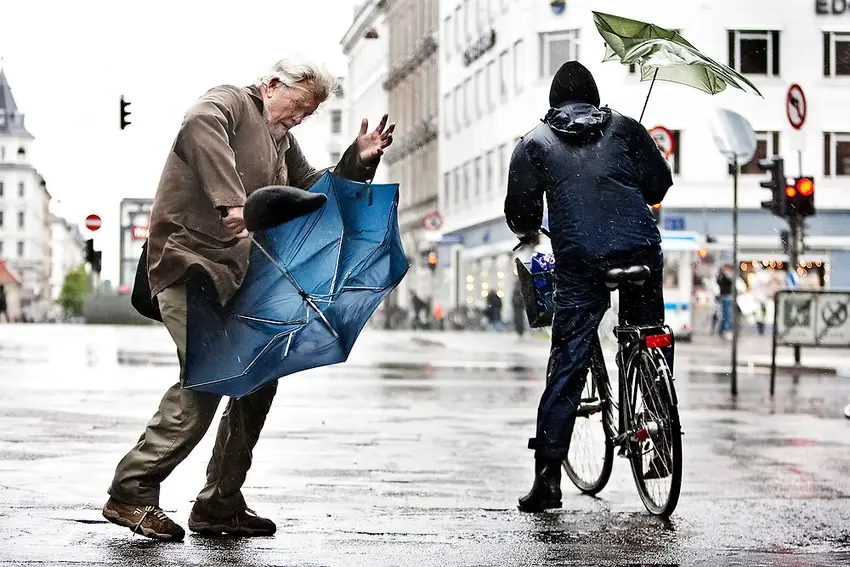
The biggest factors are:
- Coastal wind that lowers perceived temperature
- Frequent light rain and drizzle instead of short heavy storms
- Trails that soak up water and stay muddy
- High humidity that makes cotton uncomfortable
- Short daylight hours in winter
If you only hike in summer, you might think Denmark is easy. If you hike in March on the west coast, you will understand why good layers matter.
Season Breakdown
Instead of thinking about four seasons in the classic sense, think in terms of trail conditions: wet, drying, dry-ish and storm season.
| Season | Typical Conditions | What Changes Your Setup |
|---|---|---|
| Early Spring (Mar–Apr) | Wet soil, cold mornings, windchill | Waterproof boots, gloves, light insulation |
| Late Spring to Summer (May–Aug) | Mild temps, long days, sun + showers | Breathable layers, packable shell |
| Autumn (Sep–Nov) | Rain, strong coastal wind, storms | Hardshell jacket, warm mid layer, pack cover |
| Winter (Dec–Feb) | Frost, short days, icy wind | Insulation, waterproof footwear, headwear |
Summer is the most comfortable season, but shoulder seasons require more planning.
Building a Clothing System That Works
You do not need heavy down jackets or technical alpine equipment. You just need layers that dry quickly and block wind.
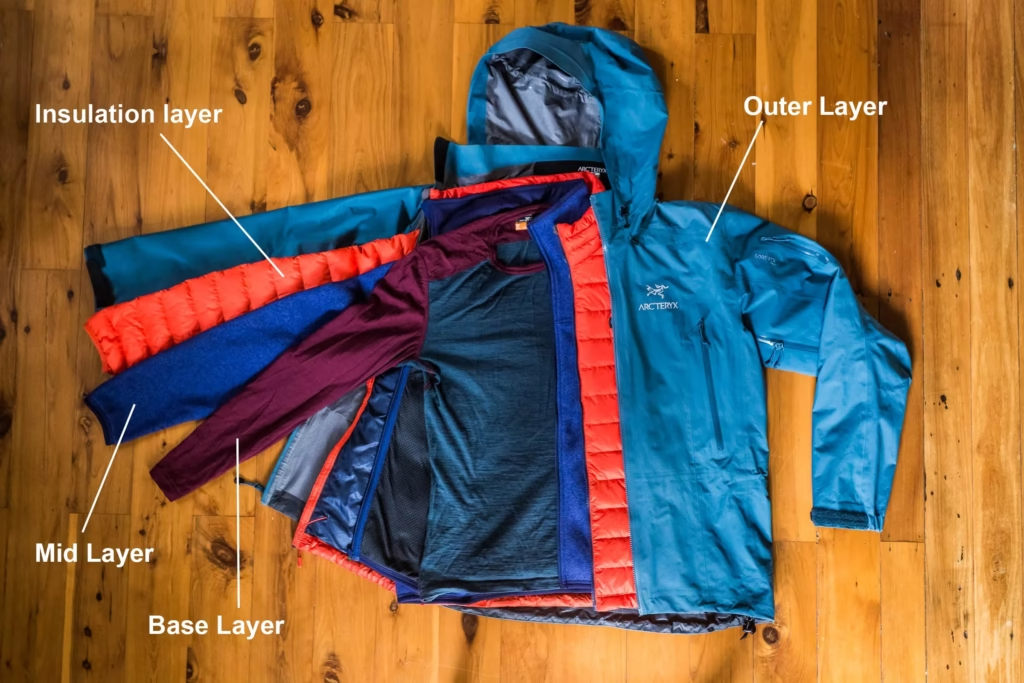
Base Layers
A good base layer keeps you dry and acts as your first line of temperature control. Synthetic shirts or thin merino work best because they dry quickly. Cotton is the one fabric that consistently feels worse in Danish humidity, especially if you combine it with wind.
A simple setup might be a short-sleeve polyester shirt in summer and a thin long-sleeve merino in spring and autumn.
Mid Layers
Mid layers add warmth without trapping too much heat. Fleece works well because it dries quickly and keeps you warm even when damp. A softshell jacket is useful on windy days when rain is not expected. In winter, add a light insulated jacket you can layer under a shell rather than a bulky coat.
Outer Layers
A lightweight waterproof shell is the most important piece of clothing you can pack. A jacket with a hydrostatic rating around 10,000 mm is enough for most day hikes. Higher ratings are useful if you plan multi-day coastal routes where you cannot dry gear easily.
Look for ventilation zips or breathable fabrics. You want protection from rain without feeling like you are wrapped in plastic.
Choosing Footwear for Danish Trails
Trails vary from sandy beaches to forest mud and rocky shoreline paths, so footwear is not one-size-fits-all.
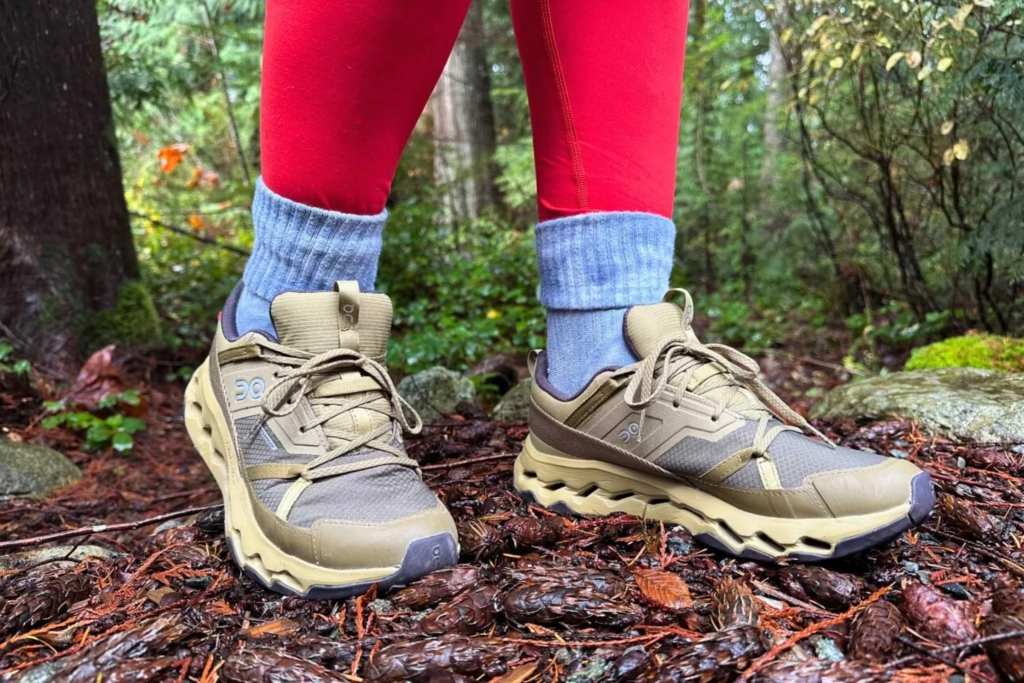
A common issue is that shoes get soaked from below even when it is not raining. Roots hold water, coastal paths have puddles and some forest areas turn into soft clay.
If you hike mainly outside summer, waterproof boots are usually the most comfortable choice. They keep feet warm during wind and prevent soaking from mud. In summer, breathable trail runners can feel better, but only if you do not mind walking with wet feet occasionally.
A simple way to decide:
| Condition | Best Choice |
|---|---|
| Spring mud and wet roots | Mid or high-cut waterproof boots |
| Summer coastal walks | Breathable trail runners |
| Multi-day coastal routes | Waterproof boots or hybrid shoes |
| Winter forest hikes | Insulated or lined waterproof boots |
Bring dry socks regardless of season. It makes a bigger difference than most people expect.
Tents and Shelter Strategy
Many hikers in Denmark use shelters, but tents are still common if sites are full or you want privacy. Since wind is often stronger than rain, the shape of your tent matters more than the fabric rating.
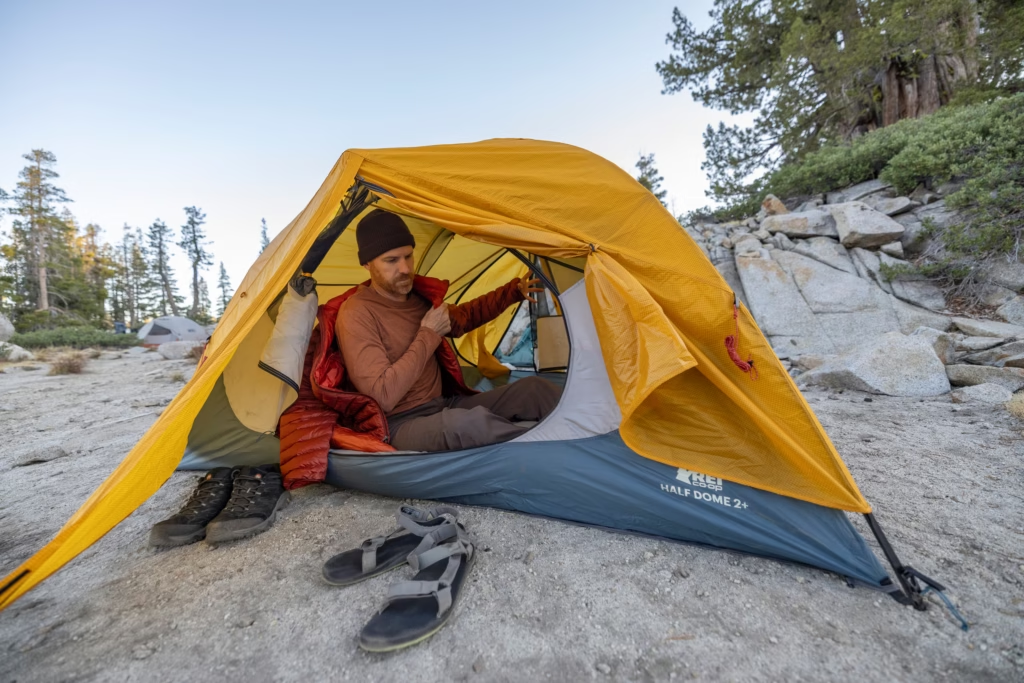
Low-profile tents handle coastal gusts better than tall ultralight models that rely on minimal pole structures. If you enjoy pitching near beaches, bring strong guy lines and consider carrying sand stakes or using rocks to weigh down anchors.
Condensation is also a bigger issue than you might expect because the air is humid and nights cool quickly. Look for tents with good airflow and generous vents rather than fully sealed designs.
Keeping Your Pack Dry
Clothing gets wet from above, but gear gets wet from the inside if you pack it poorly. Danish trails often have spray from waves or horizontal rain in autumn, so waterproofing your pack is more than just an afterthought.
The best approach is using a pack liner or roll-top dry bag inside your backpack. Pack covers help, but water can still sneak in through the back panel if it presses against wet clothing. Phones, maps and batteries should go in small waterproof bags.
Even on short day hikes, a dry bag for electronics is worth the weight.
Food and Breaks in Wet Conditions
Breaks feel colder when the wind picks up, so plan snacks that you can eat without sitting still too long. A hot drink in a thermos can make a huge difference in shoulder season hikes. Bring food that handles moisture well so it does not turn soggy in your pack. A simple foam sit pad keeps you off wet ground.
If camping, try to cook near shelters or behind natural wind blocks. Stoves lose efficiency in direct wind, especially along the west coast where dunes and open beaches offer little protection.
Quick Checklist
A typical all-season setup might look like this:
- Waterproof shell
- Lightweight fleece
- Synthetic or merino base layers
- Waterproof boots or breathable trail runners in summer
- Dry bag or pack liner
- Lightweight gloves and hat outside summer
- Microfibre towel and spare socks
In shoulder seasons, add a warm mid layer and waterproof pants. In winter, bring insulated footwear and thicker gloves.